










India has taken a significant step towards cleaner and more self-reliant mobility with the launch of its first flex-fuel motorcycles, as the government highlighted their potential to cut oil imports and boost farmers’ incomes.
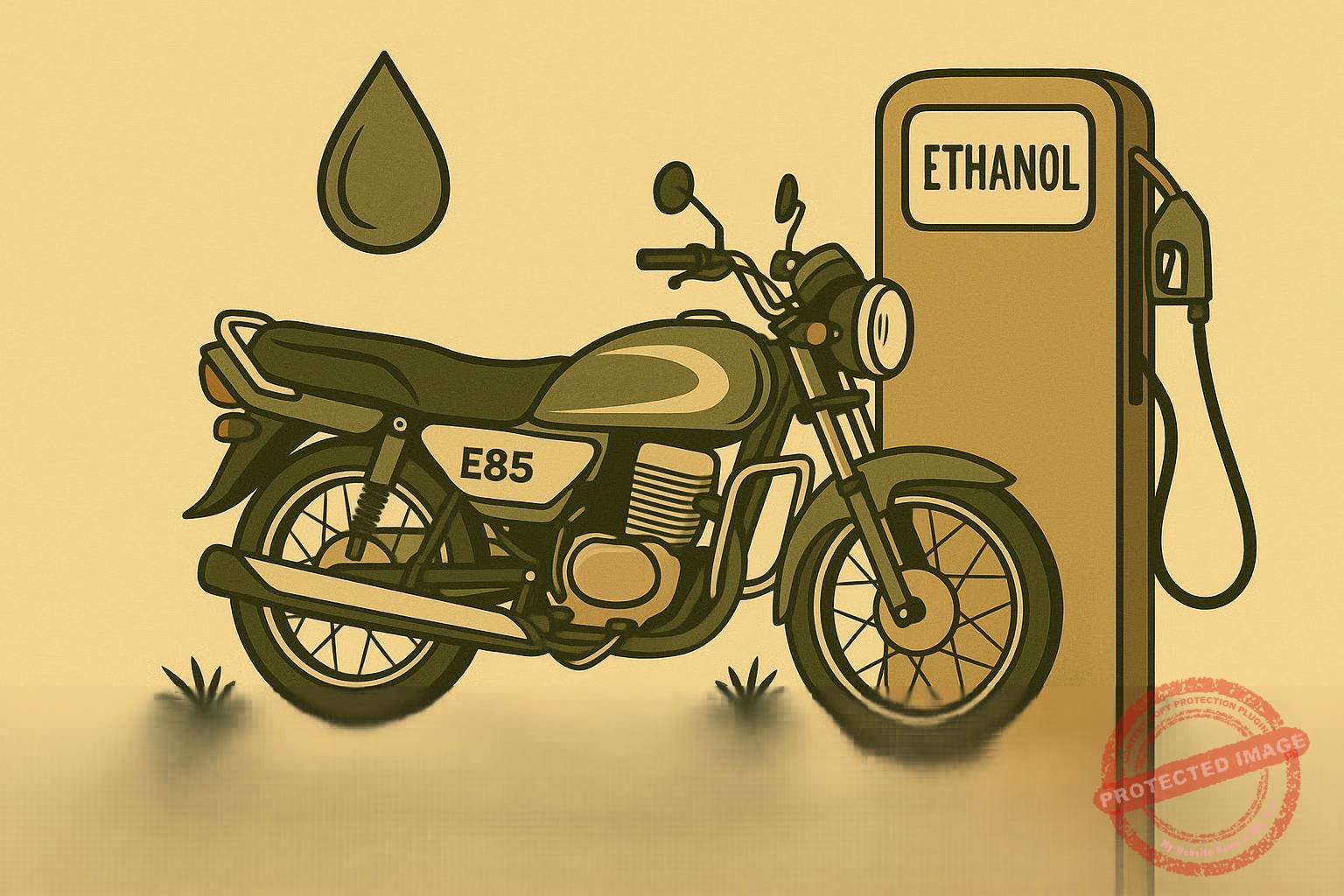
Speaking at the launch event in New Delhi, Union Petroleum and Natural Gas Minister Hardeep Singh Puri described the development as a milestone in the country’s energy transition. The new motorcycles introduced by Hero MotoCorp can run on fuel blends ranging from E20 (20% ethanol) to E85, marking the entry of flex-fuel technology into India’s mass mobility segment.
With over 300 million two-wheelers on Indian roads, the technology could transform transportation at scale. Puri emphasised that India’s ethanol blending programme—which has grown from just 1.5% in 2014 to 20% today—has already delivered significant benefits in reducing dependence on imported fuel. He said the initiative has helped save Rs 1.84 lakh crore in foreign exchange, substitute more than 300 lakh metric tonnes of crude oil and cut carbon emissions substantially.
Beyond the environmental gains, the programme is also reshaping rural economics. By creating a steady demand for ethanol derived from agricultural produce, it has generated earnings of Rs 1.58 lakh crore for farmers. The minister described this as a shift from farmers being “Annadatas” (food providers) to “Urjadatas” (energy providers).
India currently imports around 88.5% of its crude oil needs, making the economy vulnerable to global price fluctuations and geopolitical tensions. Flex-fuel vehicles, which run on domestically produced biofuels, offer a practical way to reduce this dependence while keeping costs manageable for consumers.
According to the government, even a modest 1% adoption of flex-fuel vehicles in annual petrol vehicle sales could create demand for around 4 crore litres of ethanol. This could save nearly Rs 195 crore in foreign exchange, reduce crude imports and channel up to Rs 160 crore directly to farmers.
Puri also pointed out that flex-fuel vehicles have advantages over some other clean mobility options. They are cheaper to manufacture, require minimal additional infrastructure and can be rolled out much faster compared to electric vehicle charging networks. Unlike EVs, they do not depend heavily on imported battery components, making them more aligned with India’s push for self-reliance.
He added that when priced appropriately, higher ethanol blends such as E85 could help consumers recover the cost of flex-fuel vehicles within a few years through lower fuel expenses. The government is now exploring policy measures to make adoption more affordable and widespread.
The minister also addressed concerns about ethanol blending, noting that extensive testing and global experience—particularly from countries like Brazil—have proven the safety and reliability of these fuels.
As India looks ahead, officials say the country’s mobility future will not rely on a single technology but a mix of electric vehicles, biofuels, hydrogen and renewable energy. The introduction of flex-fuel bikes is being seen as a key step in that transition, combining environmental benefits with economic gains for both consumers and farmers.