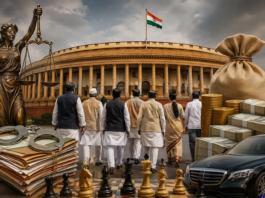
As West Bengal gears up for the 2026 Assembly elections, a familiar guest has arrived early at the ballot party—candidates with criminal cases and bulging asset declarations. An analysis by the Association for Democratic Reforms (ADR) and West Bengal Election Watch of the affidavits filed by 2,920 candidates reveals that nearly one in four contenders has declared criminal cases, suggesting that when it comes to candidate selection, political parties continue to swear by tradition rather than reform.
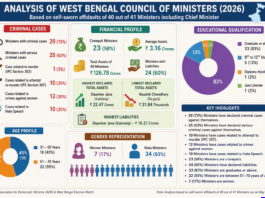
According to the study, 683 candidates, or 23 per cent of those analysed, have admitted to criminal cases against themselves, a figure only marginally better than the 25 per cent recorded in the 2021 elections. More worrying is that 589 candidates—about 20 per cent—face serious criminal charges, including cases related to murder, attempted murder, rape and crimes against women. In fact, 192 candidates have declared cases involving crimes against women, eight of whom face rape charges, while 35 candidates have murder cases and 185 are accused of attempted murder. Clearly, experience in controversies appears to be a valued qualification.
Party-wise, the numbers read like a competitive scoreboard no one asked for. A staggering 71 per cent of BJP candidates analysed have declared criminal cases, followed by CPI(M) at 47 per cent, AITC at 39 per cent, Congress at 26 per cent, and smaller Left parties hovering between 18 and 35 per cent. Serious criminal cases are not far behind, with nearly two-thirds of BJP candidates and substantial shares from other major parties also carrying serious charges. Unsurprisingly, 129 out of West Bengal’s 294 constituencies have been classified as “red alert” seats, where three or more candidates have declared criminal cases—up from 78 such constituencies in 2021.
If crime raises eyebrows, money certainly widens eyes. The analysis shows that 629 candidates, or 22 per cent, are crorepatis, up from 18 per cent in the previous election. The average assets per candidate now stand at Rs 1.27 crore, compared to Rs 91.69 lakh in 2021. Among parties, AITC candidates are the wealth champions with average assets of Rs 5.39 crore, followed by BJP at Rs 2.91 crore and Congress at Rs 1.56 crore. Clearly, the path to public service continues to be paved with private wealth. At the same time, 1,020 candidates have declared liabilities, four candidates claim zero assets, and 45 have skipped disclosing their PAN details altogether—transparency remains optional.
The Supreme Court’s 2020 directions asking parties to explain why candidates with criminal backgrounds were preferred over clean alternatives appear to have had little impact. During recent elections elsewhere, parties were found offering reasons such as “popularity” or “social work” to justify such choices—arguments ADR politely but firmly describes as unsound. The data suggests that electoral reform remains a talking point rather than a practice, even as lawbreakers continue to find comfortable seats as lawmakers.
There are, however, some quieter shifts. Women make up 13 per cent of candidates this time, up from 11 per cent in 2021. Nearly half the candidates are graduates or above, while the rest range from school-educated to illiterate. Age-wise, most candidates fall between 41 and 60. Meanwhile, 202 sitting or former MLAs are re-contesting, and their average assets have grown from Rs 2.90 crore in 2021 to Rs 4.74 crore in 2026—a neat 63 per cent jump, showing that political experience, once again, pays.
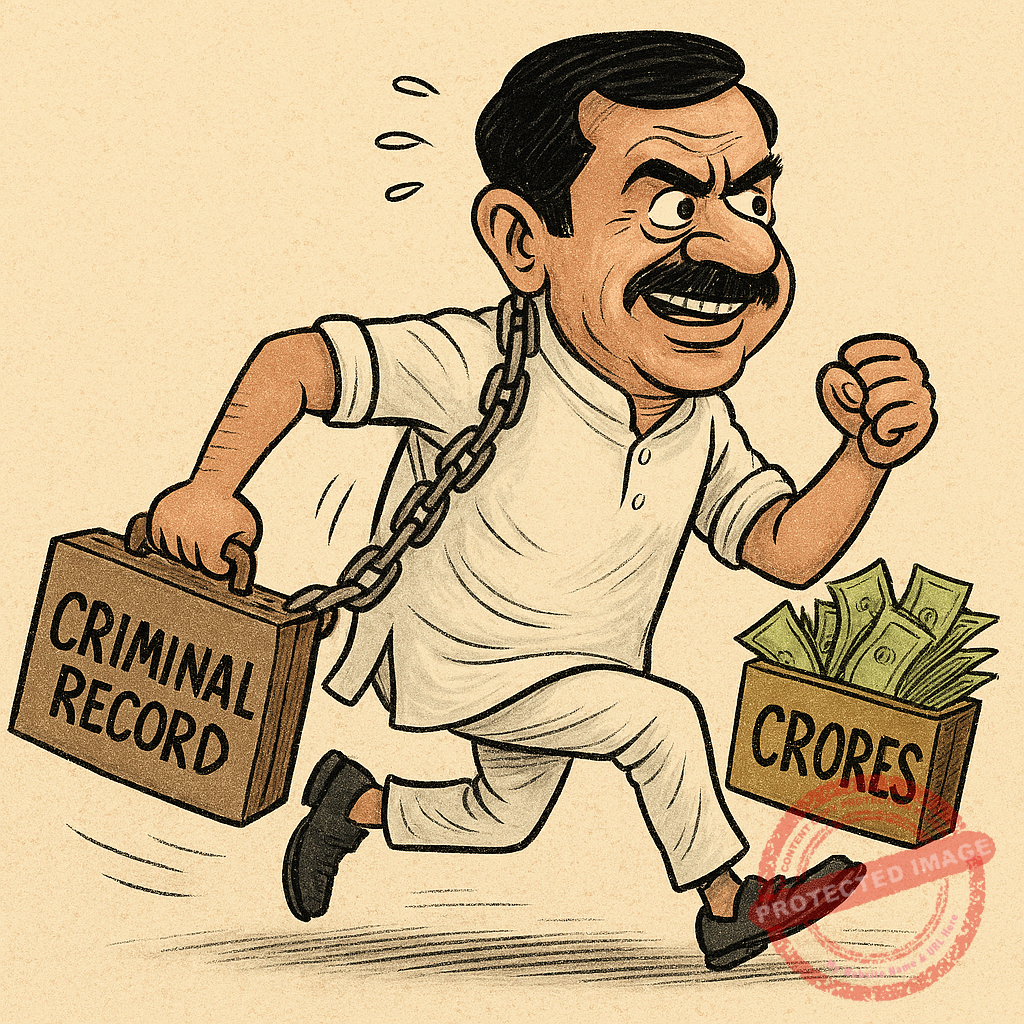
As voters prepare to cast their ballots, the message from the affidavit data is blunt but familiar: West Bengal’s elections continue to be contested not just on ideology and governance, but on criminal records and crores. Democracy, it seems, is alive and well—just wearing the same old clothes.