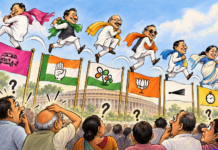











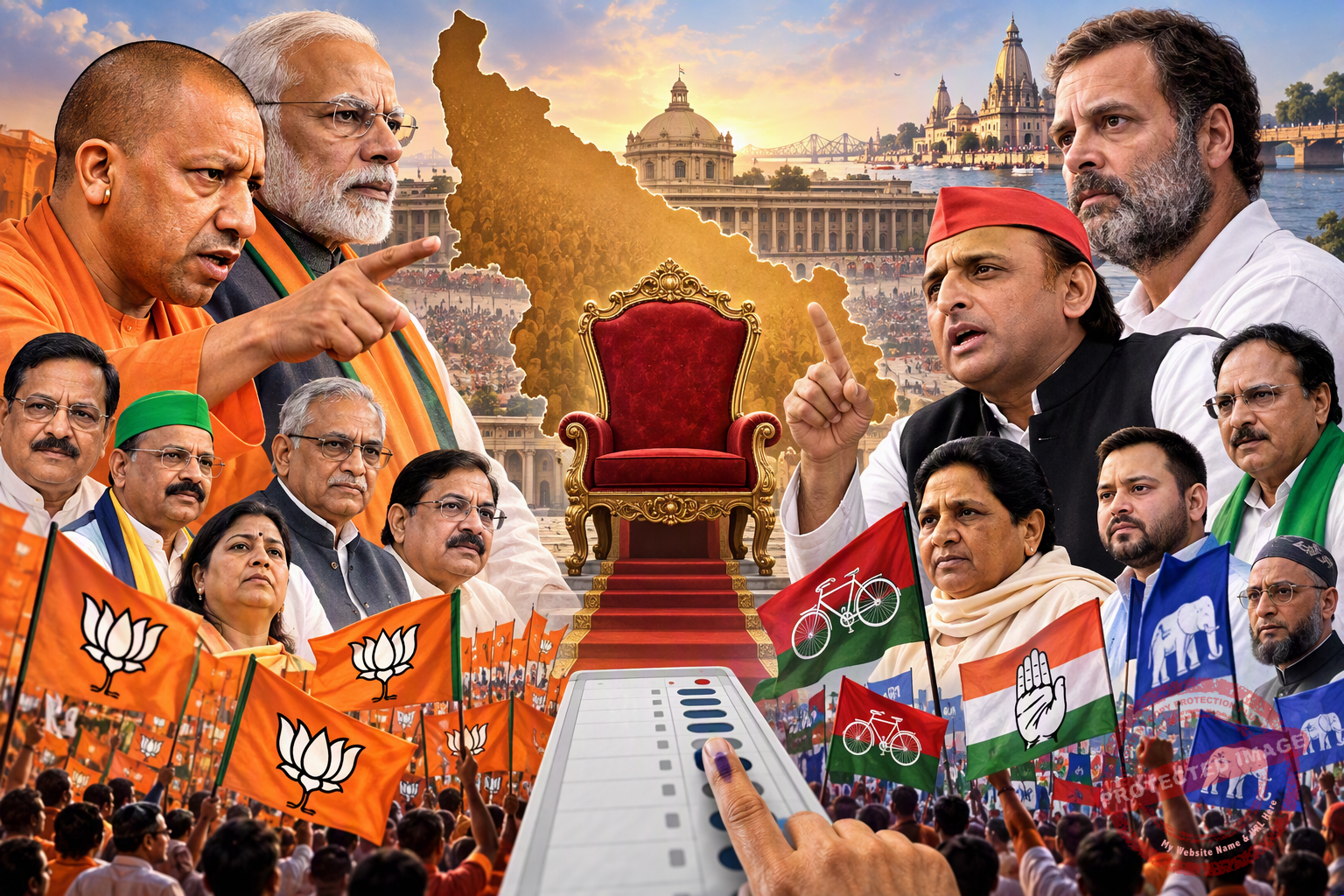
With Uttar Pradesh heading for Assembly elections in early 2027, the political engines are already revving. The BJP-led NDA is working out its strategy and accommodating increasingly assertive allies, while the Samajwadi Party and Congress are trying to convert their 2024 Lok Sabha partnership into an Assembly alliance without getting stuck over who gets how many seats.
The main battle is shaping up between the BJP-led National Democratic Alliance (NDA) and an opposition centered around the Samajwadi Party, with the Congress expected to remain an important partner. But seat-sharing remains a major unresolved issue on both sides.
BJP works on organization, allies work on arithmetic
The BJP enters the contest as the dominant force in the current Assembly. In 2022, it contested 376 seats and won 255, securing 41.29% of the vote. The party has intensified its organizational preparations, while Chief Minister Yogi Adityanath has been touring districts and Assembly constituencies.
The bigger headache may be distributing the political cake. RLD and SBSP, which fought alongside the SP in 2022, are now with the NDA, joining existing allies Apna Dal (S) and Nishad Party. Several NDA partners are expected to demand more constituencies this time, forcing the BJP to assess claims seat by seat.
In 2022, Apna Dal (S) won 12 of the 17 seats it contested and Nishad Party won six of 10. The SBSP, then an SP ally, won six of 19 seats, while RLD won eight of 33. Their migration to the NDA has considerably changed the alliance arithmetic for 2027.
SP puts its focus on PDA
The Samajwadi Party, meanwhile, is attempting to widen its social coalition through its PDA formula. The SP had won 111 of 347 seats contested in 2022, securing 32.06% of the votes. The party has since sought to broaden its appeal beyond its traditional support base.
SP chief Akhilesh Yadav has launched a PDA Yatra as part of preparations for the election. The opposition is also drawing confidence from the 2024 Lok Sabha election, when the SP-Congress combination won 43 of Uttar Pradesh’s 80 Lok Sabha seats, with the SP taking 37 and Congress six.
SP-Congress together, but seats remain the question
The Congress and SP want to contest together, but deciding who contests where is proving less straightforward.
Akhilesh Yadav has publicly argued that “winnability” should determine seat distribution, while sections of the Congress are seeking a much larger share of constituencies. Reports in late September suggested Congress expectations substantially exceeded what SP leaders appeared prepared to concede.
Congress’s bargaining position also comes against its poor 2022 Assembly performance. It contested 399 constituencies and won just two, recording a 2.33% vote share. The party nevertheless hopes that its improved 2024 Lok Sabha showing will translate into a larger role in the opposition arrangement for 2027.
In short, both parties agree that defeating the BJP requires unity. They are still negotiating exactly how many seats that unity is worth.
BSP plans solo run
The Bahujan Samaj Party is taking a different road. After winning only one of 403 seats in 2022 despite securing 12.88% of the vote, BSP chief Mayawati has indicated that the party will contest the 2027 election independently.
That makes the BSP’s vote share important even if its seat tally remains modest. In a closely fought BJP-versus-SP contest, votes going to the BSP and smaller parties could influence results across numerous constituencies.
Smaller players could make bigger demands
Apart from RLD, SBSP, Apna Dal (S) and Nishad Party, smaller political outfits are positioning themselves for the coming contest.
The changed alliance map means BJP has more partners to accommodate than in 2022. NDA allies are already pressing claims based on their social bases, organizational strength and performances in previous elections.
The opposition faces its own version of the same problem. SP wants to remain the principal challenger to the BJP while Congress is demanding enough seats to rebuild its organization and political relevance in India’s most populous state.
The battle for Uttar Pradesh has therefore begun well before the first candidate list.
For now, every party wants unity, every ally wants winnable seats, and almost everyone seems convinced that the fairest seat-sharing formula is the one that gives them more seats.