











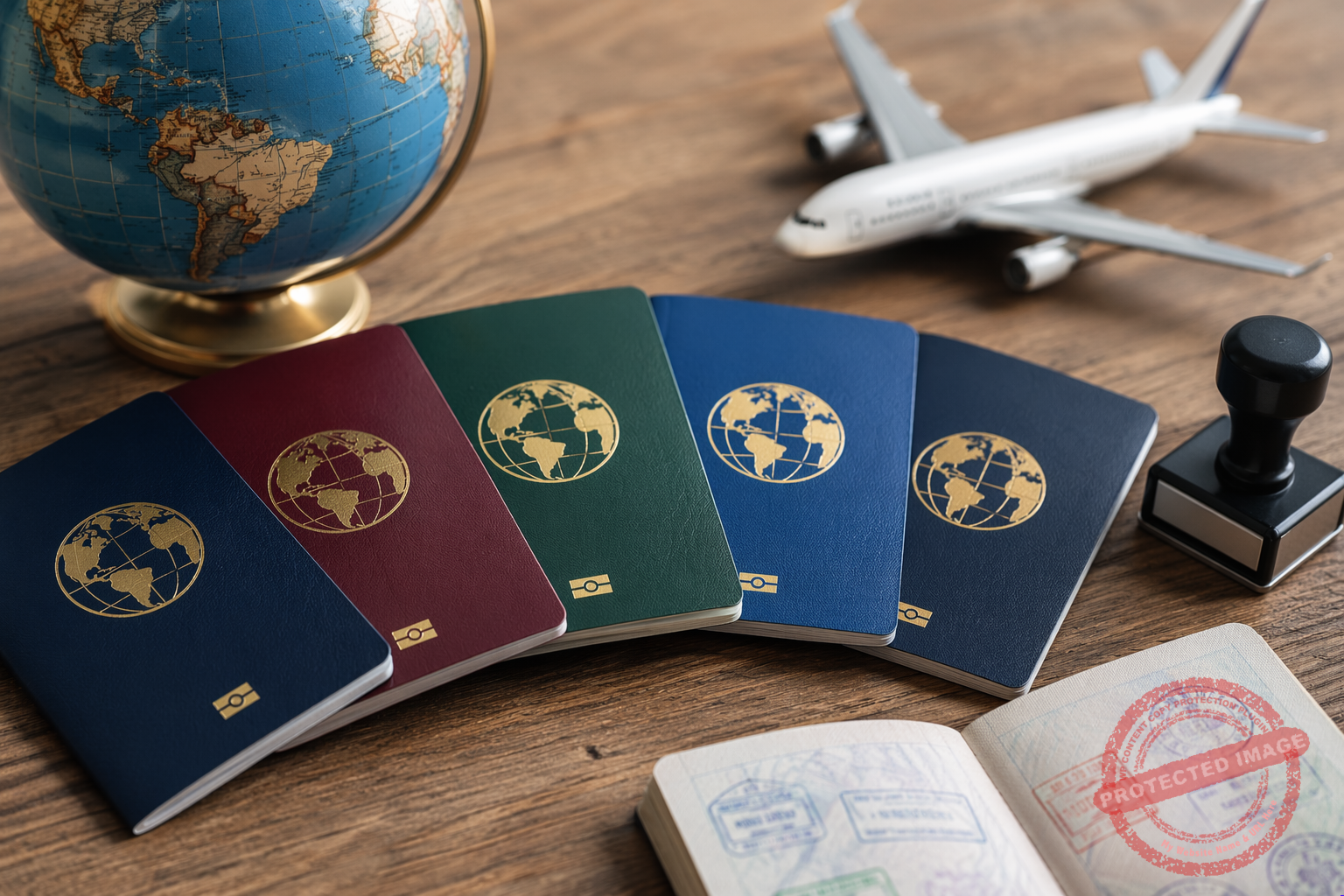
A passport is one of the most widely used documents for travel and identity verification, but its status as proof of citizenship varies from country to country.
In many nations, a valid passport is generally accepted as strong evidence of citizenship for most official and administrative purposes. These include the United States, the United Kingdom, Australia, New Zealand, Japan, Ireland, Italy, Cyprus, Antigua and Barbuda, Barbados, Cuba, Ecuador, Grenada and Jamaica. Several European Union countries also treat passports as prima facie proof of citizenship unless there is a reason to question a person’s status.
However, some countries may require additional documents even when a person holds a valid passport. In Canada, Germany and France, authorities can ask for citizenship certificates, birth records or other supporting documents during nationality reviews, citizenship applications or legal proceedings. In such cases, a passport alone may not be considered sufficient proof.
A few countries maintain a clearer distinction between passports and citizenship documents. India has recently reiterated that a passport is primarily a travel document and cannot automatically be treated as definitive proof of citizenship. Authorities may rely on other records while determining citizenship status. China also places greater emphasis on domestic identity and nationality records rather than passports alone for citizenship verification.
Experts note that there is no universal rule on whether a passport serves as legal proof of citizenship. Each country follows its own nationality laws and administrative procedures. Governments may also seek additional verification because passports can remain valid despite the loss of citizenship, administrative errors, fraudulent issuance or later-discovered citizenship disputes.
As a result, while passports are usually accepted as proof of identity and nationality in everyday situations, authorities dealing with immigration, citizenship claims or legal disputes may require additional evidence depending on the country’s laws.
Among the countries that most clearly recognise passports as standalone proof of citizenship are the United States, the United Kingdom, Australia and New Zealand. In contrast, countries such as India, Canada and Germany may ask for separate citizenship-related documents in certain circumstances.