









India has further strengthened its commitment to wetland conservation, with the addition of Sukhna Wetland in Chandigarh and Sauj Jheel in Uttar Pradesh to the list of internationally recognized Ramsar Sites. With these new inclusions, the country’s total number of Ramsar Sites has risen to 103, Union Minister for Environment, Forest and Climate Change Bhupender Yadav announced on Thursday.
Sharing the development on social media, the minister said the recognition reflects India’s sustained efforts to protect and restore its vital wetland ecosystems. He noted that wetlands are playing an increasingly important role in the country’s environmental agenda under the leadership of Prime Minister Narendra Modi, contributing significantly to biodiversity conservation, water security, climate resilience and the livelihoods of local communities.
According to the minister, the latest designations reaffirm India’s resolve to preserve ecologically important landscapes and enhance the environmental and socio-economic benefits they provide. Wetlands serve as critical habitats for a wide range of plant and animal species, help recharge groundwater, mitigate floods and support sustainable development in surrounding regions.
Yadav congratulated the governments of Uttar Pradesh and Chandigarh on achieving the Ramsar recognition for Sauj Jheel and Sukhna Wetland. He described the development as a significant milestone in the country’s environmental conservation journey and an encouragement for continued efforts to safeguard natural ecosystems.
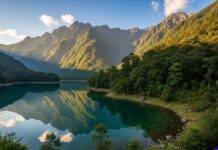
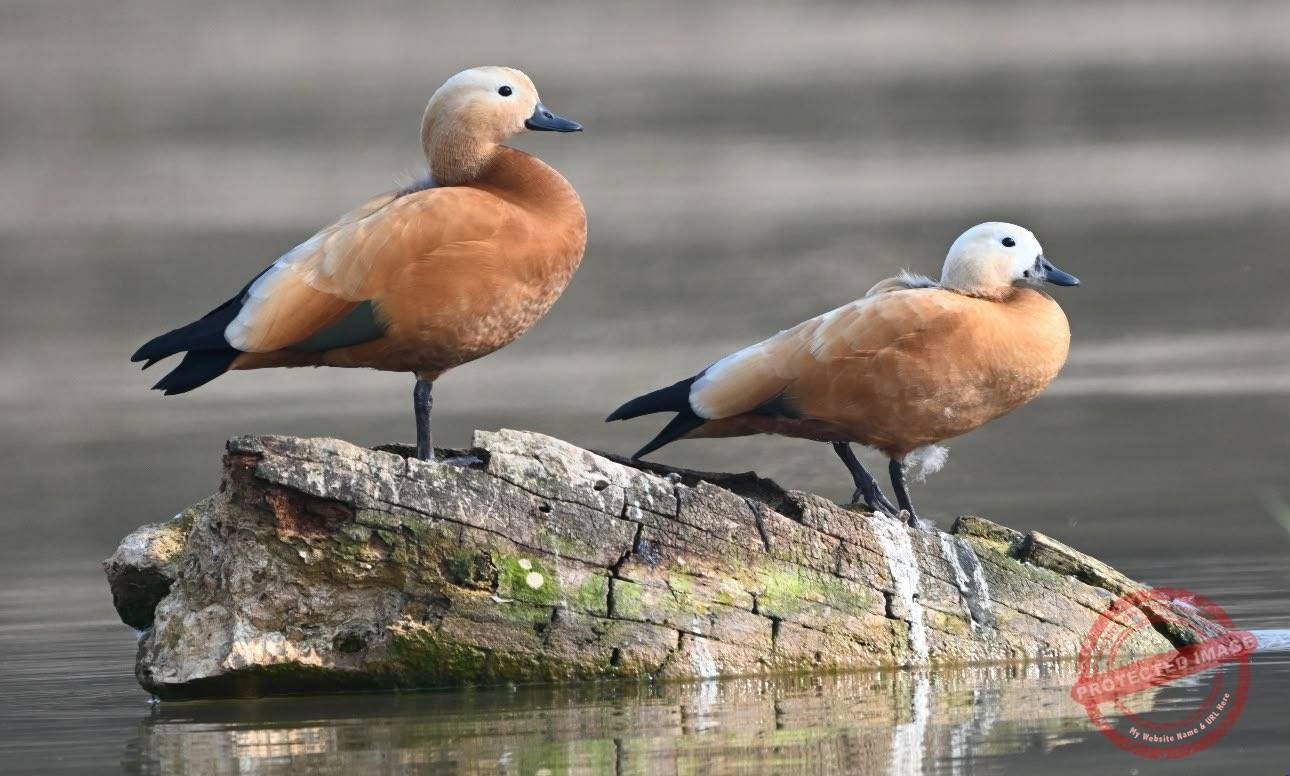
The minister also invited tourists, birdwatchers and nature enthusiasts to visit both sites and experience their rich biodiversity and scenic beauty. The inclusion of these wetlands in the Ramsar List is expected to boost conservation initiatives, promote eco-tourism and increase awareness about the importance of protecting wetlands.
With 103 Ramsar Sites, India continues to expand its network of protected wetlands, reinforcing its position as a global leader in wetland conservation and sustainable ecosystem management.