










In a move aimed at ensuring affordable access to critical medical treatment across India, the National Pharmaceutical Pricing Authority (NPPA) continues to enforce strict price ceilings on essential drugs and medical devices, including coronary stents and knee implants. The authority, operating under the Department of Pharmaceuticals, fixes these ceiling prices based on the National List of Essential Medicines (NLEM), ensuring uniformity and preventing overcharging by manufacturers, hospitals and importers.
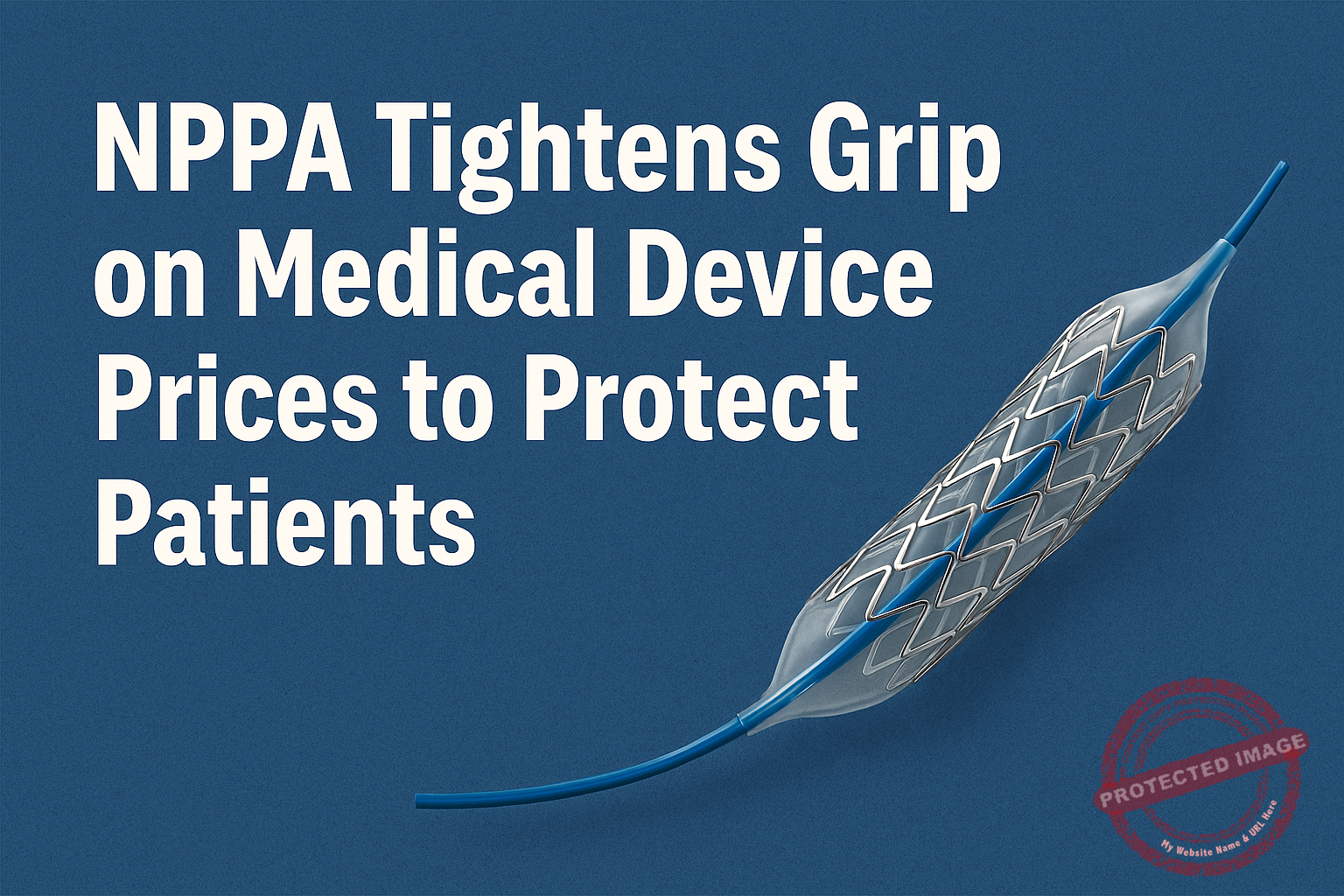
Coronary stents—both Bare Metal Stents (BMS) and Drug Eluting Stents (DES)—are among the most closely regulated devices. NPPA has fixed the current ceiling price at Rs 10,692.69 for BMS and Rs 38,933.14 for DES, applicable nationwide under the Drugs (Prices Control) Order, 2013. All manufacturers and importers must ensure their products are sold within these limits, with only applicable GST allowed over the ceiling price. To further protect patients, NPPA in 2018 made it mandatory for hospitals performing angioplasty to clearly itemise stent details in their estimates and bills, including the stent category, brand name, manufacturer or importer, batch number and specifications.
The pricing regulator has also moved beyond stents to curb the cost of other important implants. In August 2017, NPPA capped the ceiling prices of orthopaedic knee implants used in knee replacement surgeries. These controls, introduced in public interest, have since been extended up to 15 November 2026 or until further orders, ensuring long-term protection for patients dependent on these expensive surgical procedures.
During the COVID-19 pandemic, the authority widened its intervention by capping trade margins on key medical devices such as pulse oximeters, nebulizers, digital thermometers, blood pressure monitors and glucometers. This step, taken under Trade Margin Rationalisation provisions, helped keep essential diagnostic tools accessible as demand surged across the country.
For non-scheduled medical devices and formulations—those not listed under price control—manufacturers are not allowed to raise retail prices by more than 10 percent in a 12‑month period. NPPA monitors both scheduled and non-scheduled products, drawing on inputs from state drug controllers, Price Monitoring and Resource Units, market samples and consumer complaints. Companies found overcharging face action under the DPCO framework, reinforcing the government’s commitment to regulating medical costs and safeguarding patient rights.