










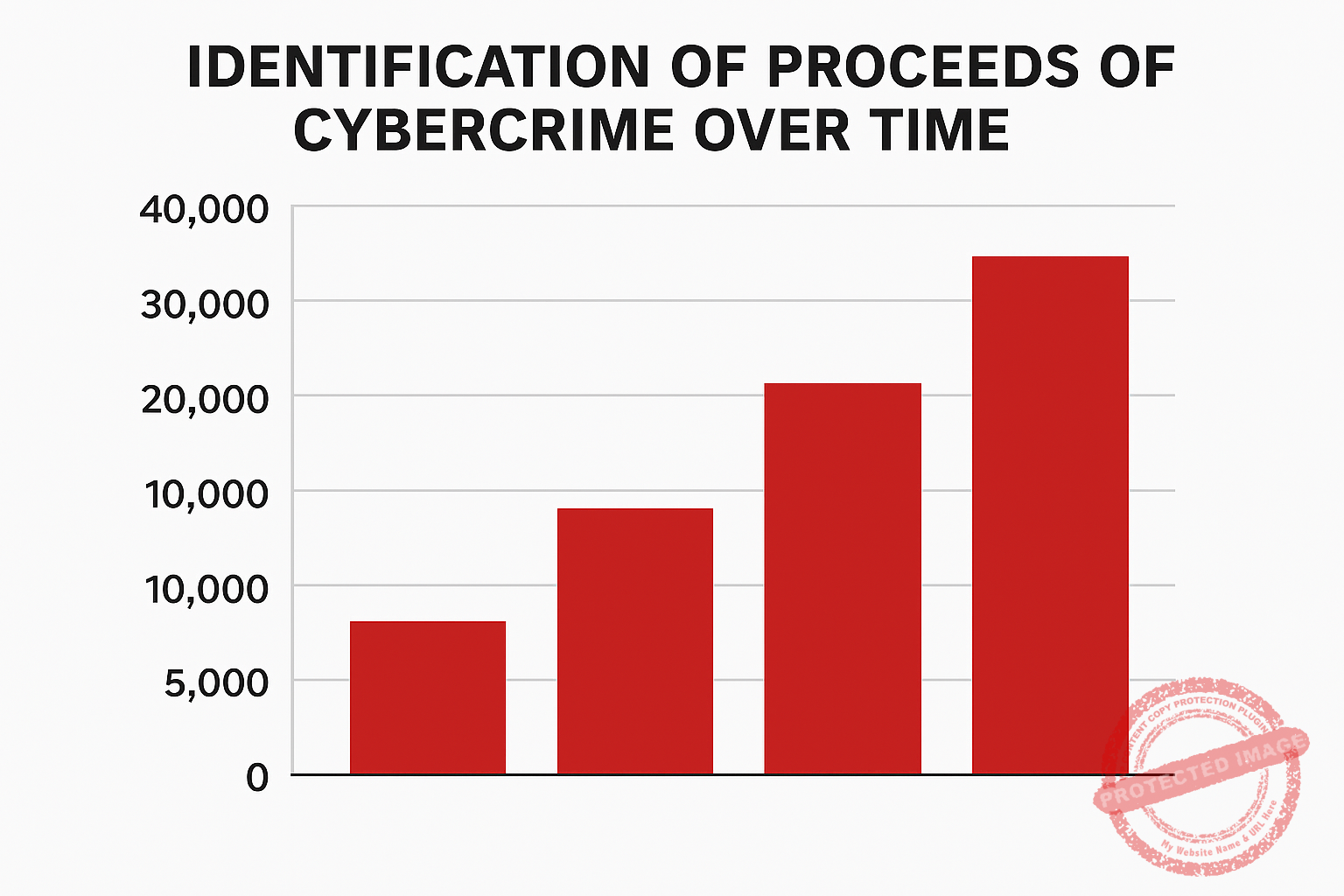
As cyber‑enabled financial fraud grows in scale and complexity across the country, the Directorate of Enforcement (ED) has intensified its crackdown on money‑laundering networks operating behind online scams. Till 28 February 2026, the ED has launched investigations in 257 cybercrime‑linked cases under the Prevention of Money Laundering Act (PMLA), identifying proceeds of crime worth Rs 35,925.58 crore. Officials clarified that State‑wise break‑ups of these illicit funds are not maintained, even as digital fraud continues to cut across jurisdictions.
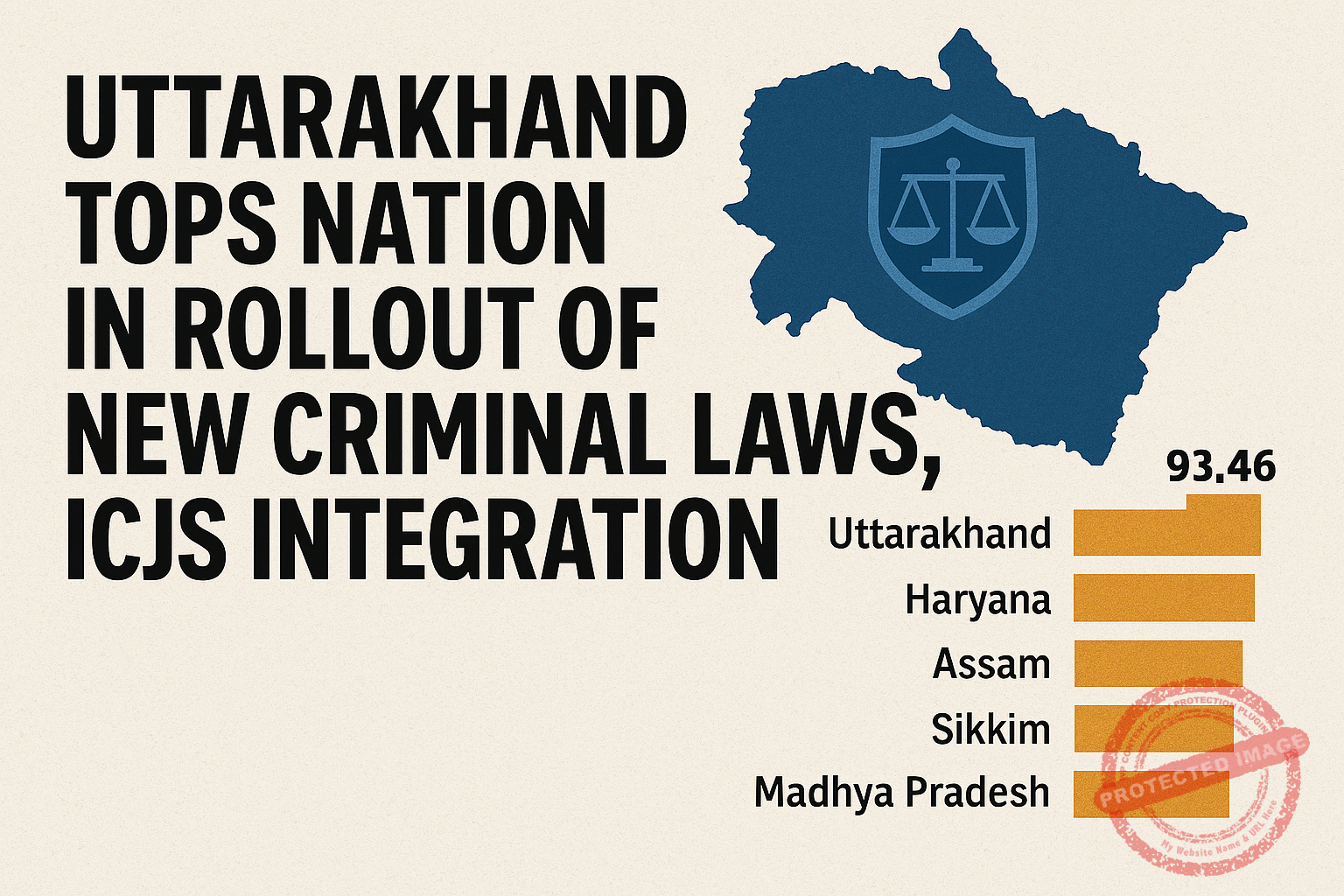
To strengthen information‑sharing, the ED relies on a structured mechanism involving nodal officers of various law‑enforcement agencies. Under Section 66(2) of PMLA, the Directorate also passes on relevant findings to concerned agencies whenever contraventions surface during investigations. The ED additionally uses platforms such as SAHYOG, Samanvaya, the Cyber Police Portal of the Indian Cyber Crime Coordination Centre (I4C), and the Inter-operable Criminal Justice System to access FIRs registered nationwide on cyber‑related offences.
With “Police” and “Public Order” falling squarely within the State domain, the responsibility for preventing, investigating and prosecuting cybercrimes rests primarily with State and UT law‑enforcement bodies. The Central Government, however, continues to support them through advisories, capacity‑building initiatives and dedicated digital enforcement systems as the threat landscape evolves.
To build a coordinated national response, the Ministry of Home Affairs has strengthened the I4C as the country’s focal point for cybercrime. The National Cyber Crime Reporting Portal enables citizens to lodge complaints ranging from financial fraud to online crimes against women and children, while the subsequent registration of FIRs and investigations are undertaken by State and UT police forces. The Citizen Financial Cyber Fraud Reporting and Management System, launched in 2021, has emerged as a crucial first‑response network; by 31 January 2026, it has helped save over Rs 8,690 crore across 24.65 lakh complaints. The toll‑free helpline 1930 has further expanded access for victims of digital fraud.
A State‑of‑the‑Art Cyber Fraud Mitigation Centre at I4C brings together representatives of major banks, financial intermediaries, payment aggregators, telecom providers, IT platforms and State law‑enforcement agencies to ensure real‑time, coordinated responses to financial cybercrime. Complementing this, a nationwide Suspect Registry—operational since September 2024—has enabled banks and financial institutions to flag suspicious identifiers and mule accounts. As of January 2026, 23.05 lakh suspect identifiers and 27.37 lakh Layer‑1 mule accounts have been shared, helping prevent transactions worth Rs 9,518.91 crore.
The Samanvaya platform has emerged as a key data‑analytics engine, linking interstate cybercrime activity and mapping criminal infrastructure through its Pratibimb module. With more than 21,857 arrests and over 1.49 lakh cyber‑investigation assistance requests facilitated, the platform has strengthened analytical and operational coordination across agencies.
To streamline victim support and standardize investigative practices across States, the Central Government issued a comprehensive Standard Operating Procedure on 2 January 2026 for the National Cybercrime Reporting Portal and the Citizen Financial Cyber Fraud Reporting and Management System. The SOP outlines a unified, victim‑centric framework and reinforces a coordinated mechanism involving both the Centre and State police agencies.
As cyber fraud networks expand their reach across borders and digital platforms, officials say the combination of enforcement, technology‑driven coordination and shared intelligence is gradually closing the net around organized cybercrime and elevating India’s overall cyber‑safety architecture.