










Rising global temperatures are rapidly turning extreme heat into a mass public health and development challenge, with new research warning that billions could be exposed within the next few decades. India, already among the most vulnerable regions, is scaling up forecasting, early warning systems and climate action plans to blunt the impact.
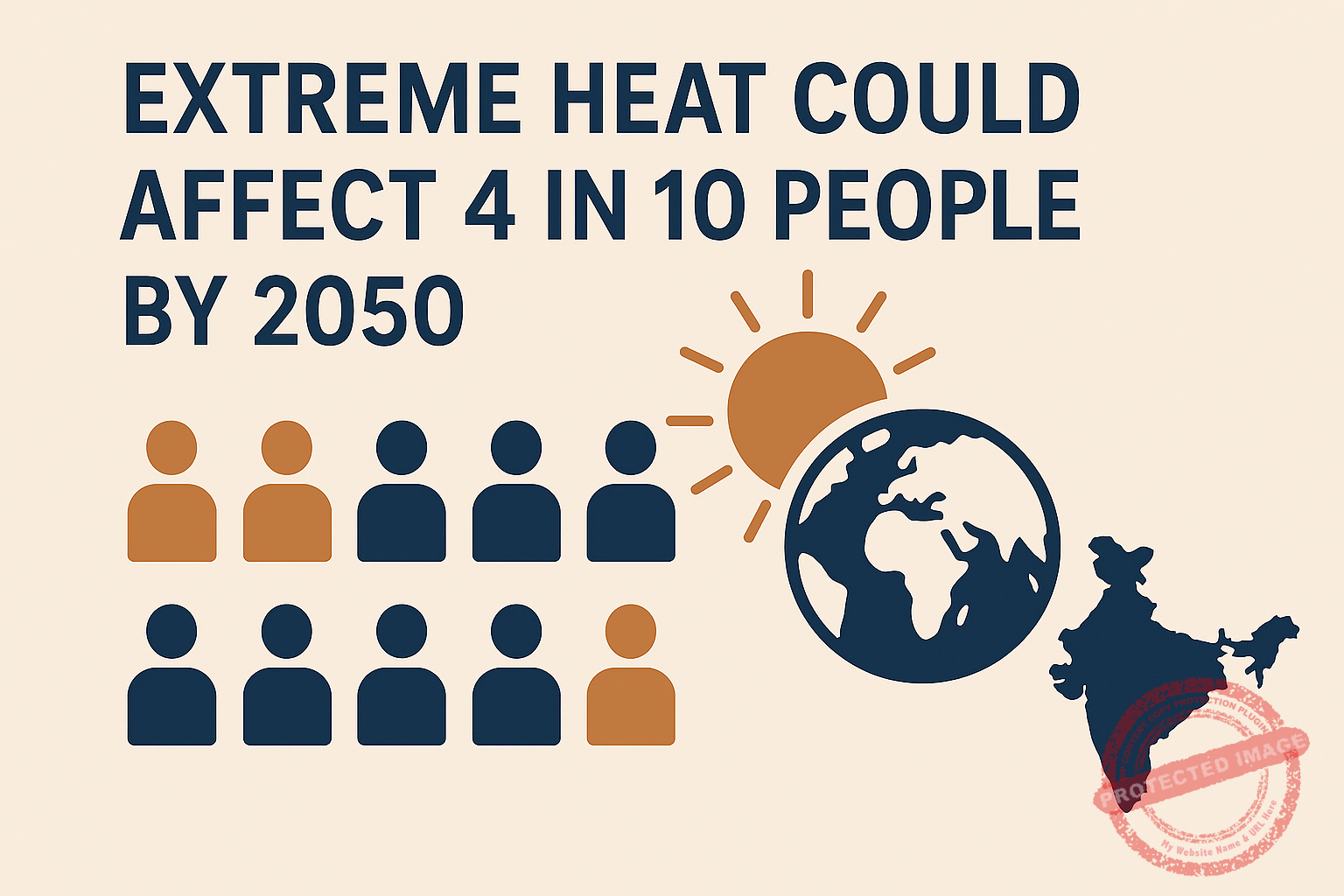
A study by the University of Oxford, published in Nature Sustainability, has warned that extreme heat exposure is set to surge sharply worldwide. Around 23% of the global population was exposed to extreme heat around 2010. By 2050, that figure is projected to rise to about 41%, driven by continued global warming.
The research estimates that nearly 3.8 billion people could face extreme heat conditions by mid-century, with the greatest risks concentrated in South Asia, Africa and parts of Southeast Asia. Scientists attribute the trend to rising greenhouse gas emissions, warning that impacts will intensify as global temperatures approach or exceed 1.5°C to 2°C above pre‑industrial levels.
In India, authorities are intensifying climate adaptation efforts as heatwaves become longer, more frequent and more severe. The India Meteorological Department (IMD) plays a central role by issuing early warnings, heatwave forecasts and impact-based advisories, helping governments and communities prepare in advance.
The National Disaster Management Authority (NDMA) is currently working with 23 states to implement Heat Action Plans, which focus on early warning systems, public awareness campaigns, health sector preparedness and the creation of cooling centres in vulnerable urban areas.
IMD now issues special heatwave bulletins and district-level impact forecasts, guiding measures such as cool roofs, reflective surfaces, urban forests and water bodies to reduce heat stress. These advisories are shared with disaster management agencies, district administrations, health departments, Indian Railways, transport authorities and the media.
Since 2023, IMD has also introduced seasonal and monthly heatwave outlooks, enabling states to take pre-emptive action well before peak summer conditions set in. Forecasts and advisories are disseminated through both online and offline platforms, including dedicated state websites and sector-specific bulletins for health and agriculture.
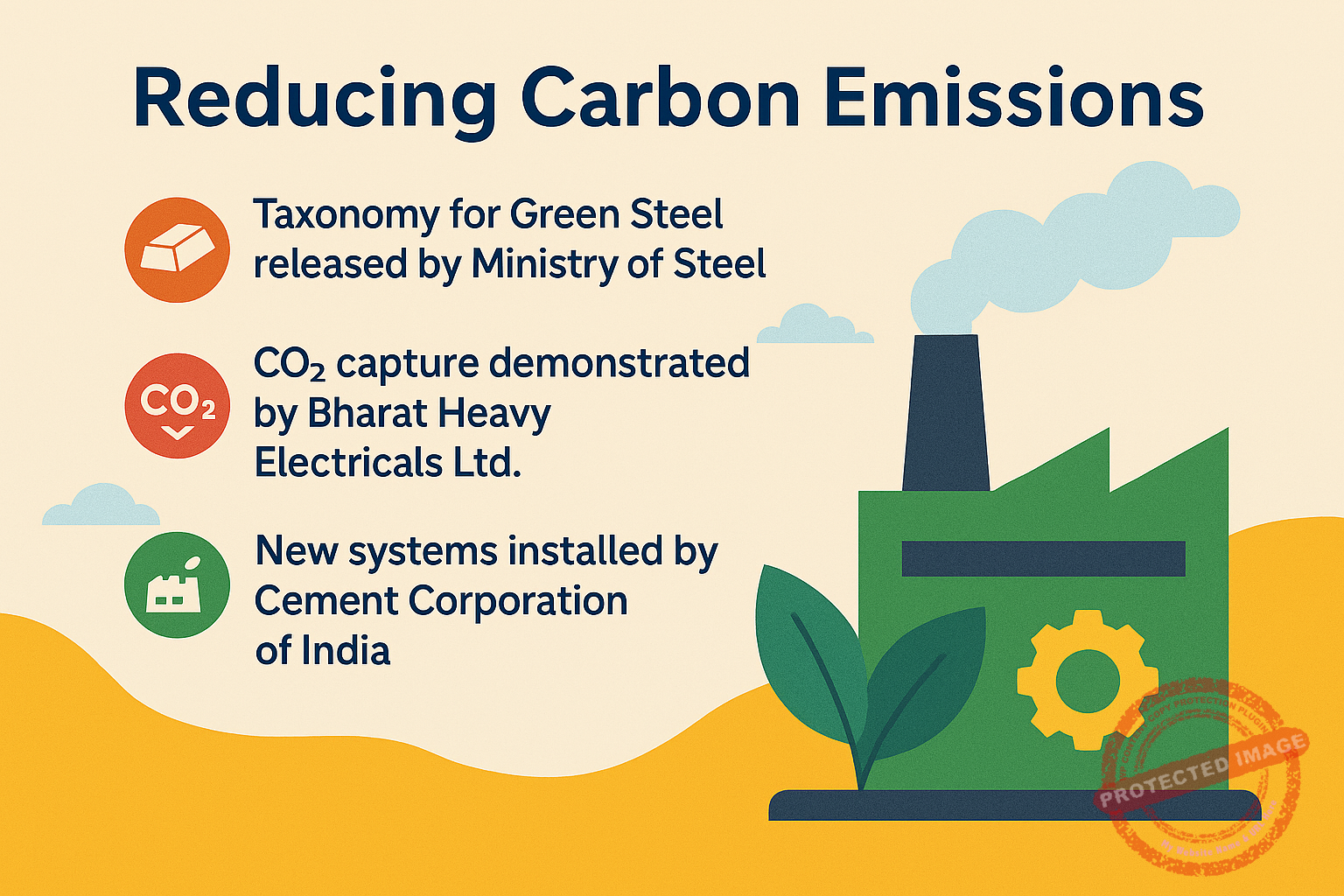
Alongside adaptation, the government is pressing ahead with climate mitigation efforts to achieve net-zero carbon emissions. Measures include rapid expansion of renewable energy, green energy corridors, improved energy efficiency, cleaner industrial processes and deployment of battery storage systems.
India’s broader climate strategy is anchored in the National Action Plan on Climate Change (NAPCC) and corresponding State Action Plans on Climate Change (SAPCCs). These frameworks cover missions on solar energy, sustainable agriculture, water conservation, public health, Himalayan ecosystems, renewable habitats, forest expansion and climate research.
At the international level, India has taken a proactive role through initiatives such as the International Solar Alliance and the Coalition for Disaster-ilient Infrastructure, aimed at strengthening global cooperation on climate resilience.
IMD continues to monitor weather and climate trends across the country, publishing monthly and annual climate summaries, diagnostic bulletins on temperature and rainfall anomalies, and detailed studies on heatwaves, cold waves and changing rainfall patterns at state and district levels.
As scientific warnings grow sharper, policymakers say the message is clear: extreme heat is no longer a future threat but a present reality—and early forecasting, local action plans and sustained climate mitigation will be critical to protecting lives and livelihoods in the decades ahead.