










India’s livestock sector is set for a major expansion as the Central Government unveils a series of reforms aimed at employment generation, entrepreneurship development, and productivity enhancement across rural India. The renewed focus comes with sweeping amendments to existing schemes, widened species coverage, improved insurance benefits, and a significant push toward infrastructure creation.
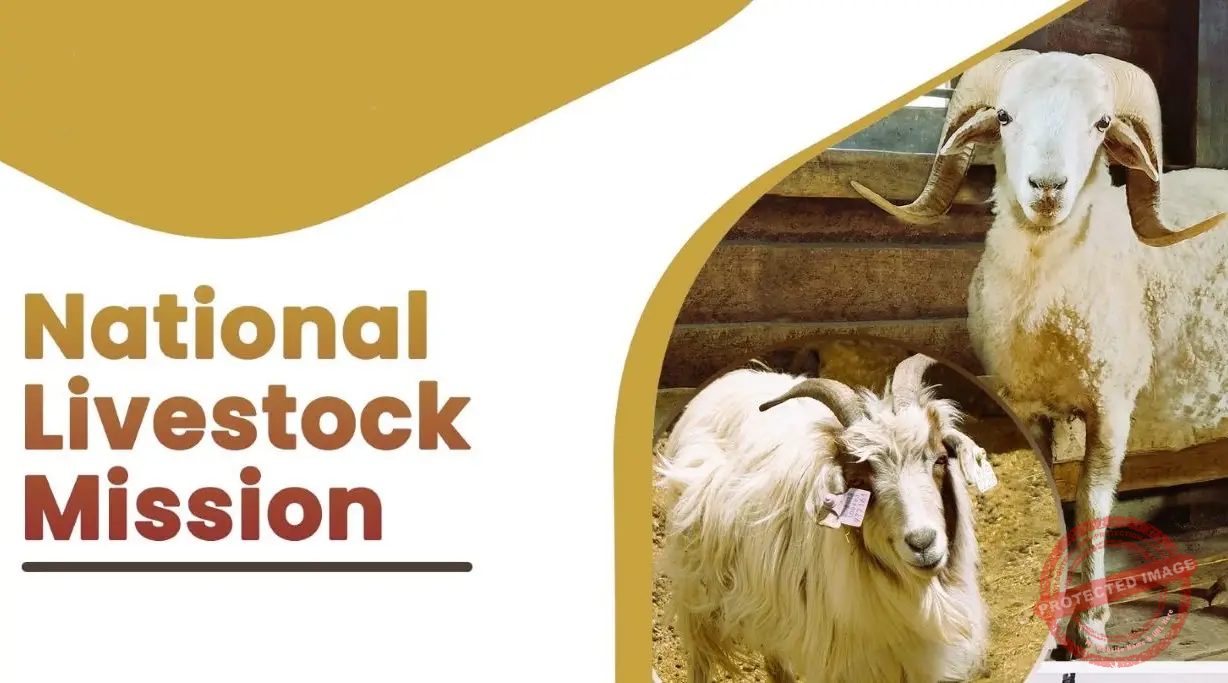
The livestock development scheme—revamped from February 21, 2024—now includes camel, horse, donkey and mule development for the first time. These species have been brought under breeder farm establishment through incentives provided to individuals, FPOs, SHGs, JLGs, farmer cooperatives and Section 8 companies. Officials say this marks a historic shift, as these animals have long remained outside mainstream livestock development programmes.
To address the chronic shortage of green fodder, the government has also allowed fodder cultivation on common pasture land, degraded forests, wasteland and designated forest areas, expanding the fodder base required for higher productivity.
Another major reform is the streamlining of the Livestock Insurance Programme, significantly reducing the financial burden on farmers. Beneficiaries now contribute only 15% of the premium, compared to the earlier 20–50% contribution depending on states and categories. The remaining premium is shared between the Centre and States in a 60:40, 90:10 or 100% ratio, as applicable.
The number of animals a farmer can insure has also doubled—from 5 to 10 cattle units. This means a beneficiary can now insure 100 small animals or 10 large animals, while for pigs and rabbits the limit remains 5 cattle units. With insurance coverage currently at just 0.98%, the government aims to raise it to 5% of India’s total livestock population.
For the year 2025–26, Rs 240 crore has been allocated under the scheme, of which Rs 160 crore has already been utilised. Till date, 3,843 applications have been approved and Rs 474.06 crore has been released as subsidy to 2,014 beneficiaries.
A major investment driver for the sector, the Animal Husbandry Infrastructure Development Fund (AHIDF), continues to attract entrepreneurs, MSMEs, FPOs, cooperatives and private companies into dairy and meat processing, animal feed plants, breed multiplication farms, veterinary biologics manufacturing and waste-to-wealth projects. The scheme, launched in 2020–21, received a major boost in February 2024 when the Dairy Infrastructure Development Fund (DIDF) was merged with AHIDF, raising the total outlay to Rs 29,610 crore. Key features include 3% interest subvention, loans covering up to 90% project cost, and EBLR + 200 bps interest for MSMEs. As of 10 December 2025, 465 projects worth Rs 21,562.85 crore had been sanctioned, with Rs 669.59 crore provided as interest subvention.
Significant strides have also been made in animal health services under the Livestock Health and Disease Control Programme (LHDCP). The flagship National Animal Disease Control Programme (NADCP)—the world’s largest initiative to eliminate Foot and Mouth Disease (FMD) and Brucellosis by 2030—has delivered 125.75 crore vaccinations, benefiting 26.27 crore farmers. In 2025, FMD vaccination was extended to pastoral sheep and goats for the first time. Vaccination drives for PPR and CSF also continue to record strong pan-India coverage.
Doorstep veterinary services have expanded rapidly through Mobile Veterinary Units (MVUs). A total of 4,019 MVUs are operational across 29 States and UTs, accessible via toll‑free number 1962. These units have treated 245.05 lakh animals and benefited 119.77 lakh farmers, significantly improving animal healthcare accessibility in rural regions. Financial support to states continues under the ASCAD programme, which assists in disease control, laboratory strengthening, training and awareness initiatives.
In a push to address the acute shortage of veterinarians, the government has also expanded veterinary education capacity. The number of veterinary colleges in the country has risen from 36 in 2014 to 84 in 2025. Admissions are now based on NEET scores, facilitated through a centralised online counselling process.
With a combination of increased investment, policy reforms, expanded insurance access and enhanced veterinary infrastructure, the government aims to make the livestock sector a stronger engine of rural incomes, employment and entrepreneurship in the coming years.