










In the first Union Budget following Operation Sindoor, the Government of India has announced a landmark allocation of Rs 7.85 lakh crore for the Defence Services for FY 2026–27—a level of investment unprecedented in the country’s fiscal history. Constituting 2% of the estimated GDP and reflecting a 15.19% rise over the Budget Estimates of FY 2025–26, the defence outlay now commands 14.67% of total Central Government expenditure, making it the single-largest ministerial allocation.
This exceptional expansion in defence spending underscores a dual priority: sustaining the ongoing modernisation of India’s armed forces and meeting emergent financial obligations arising from accelerated procurement of critical arms and ammunition in the aftermath of Operation Sindoor. Notably, the capital outlay has been lifted to Rs 2.19 lakh crore, up from Rs 1.80 lakh crore in the previous Budget Estimates—a decisive signal of India’s commitment to long‑term capability augmentation.
Strategic Modernisation: A Generational Investment
A significant share of the budget—Rs 2,19,306.47 crore under the capital head—marks an increase of 21.84% year-on-year. Of this, Rs 1.85 lakh crore has been specifically earmarked for capital acquisition, reflecting a sharp ~24% jump compared to FY 2025–26.
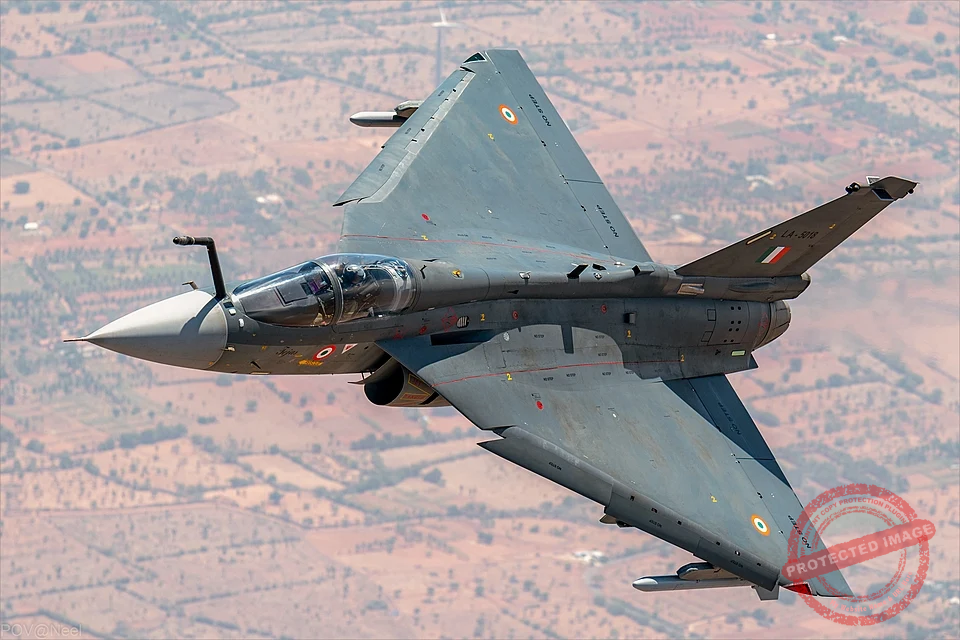
This infusion arrives amid a complex geopolitical landscape that demands enhanced readiness across domains. By the third quarter of FY 2025–26 alone, the Ministry of Defence had already concluded contracts worth Rs 2.10 lakh crore, with Acceptance of Necessity (AoN) granted for more than Rs 3.50 lakh crore. The forthcoming acquisition pipeline includes next‑generation fighter aircraft, advanced naval platforms, high-precision weapon systems, unmanned assets, drones, and specialised ground vehicles.
Such judicious capital allocation positions India’s Armed Forces to evolve into technologically sophisticated, future-ready military formations.
Aatmanirbharta at the Core of Defence Planning
Global supply chain disruptions and shifts in strategic manufacturing priorities have reinforced the imperative of indigenisation. Reflecting this, the Government has allocated Rs 1.39 lakh crore—a full 75% of the capital acquisition budget—to procurement from domestic industries in FY 2026–27.
This deepened commitment to Aatmanirbharta not only incentivises defence manufacturers but also catalyses a broader industrial ecosystem, fostering innovation, generating employment, and stimulating ancillary sectors. Over time, these investments promise to create a resilient defence‑industrial base with export potential and long-term strategic dividends.
Enhanced Revenue Allocation for Operational Readiness
The revenue budget has been substantially raised to Rs 3,65,478.98 crore, a 17.24% increase over the previous year’s estimates. Of this, Rs 1,58,296.98 crore is allocated specifically for operations and sustenance—funding critical supplies, spares, and the upkeep of mission‑essential platforms. The remainder supports pay and allowances, ensuring the human element of national defence remains robust and well-resourced.
Strategic Push in Border Infrastructure
Reaffirming its resolve to fortify frontier regions, the Government has elevated the capital allocation for the Border Roads Organisation (BRO) to Rs 7,394 crore, up from Rs 7,146.50 crore. These funds will underpin high-value infrastructure projects—tunnels, bridges, airfields—that are indispensable both to national security and to the socio-economic upliftment of remote border communities.
Strengthening Veteran Healthcare
Healthcare support for veterans has seen an exceptional rise: the Ex-Servicemen Contributory Health Scheme (ECHS) now receives Rs 12,100 crore, a 45.49% increase over the previous year’s budget estimate. Funding for medical treatment of veterans has thus grown more than fourfold in the past five years, signalling a sustained emphasis on welfare for those who have served the nation.
Boost to Defence R&D
The Defence Research and Development Organisation (DRDO) receives Rs 29,100.25 crore, compared to Rs 26,816.82 crore in the previous fiscal year. Importantly, Rs 17,250.25 crore of this is earmarked as capital expenditure, enabling advanced research in emerging technologies and strengthening India’s indigenous defence innovation ecosystem.
Defence Pensions: Sustaining Commitments to 34 Lakh Beneficiaries
The defence pension budget rises to Rs 1,71,338.22 crore—a 6.56% increase—supporting more than 34 lakh pensioners through SPARSH and other mechanisms. This remains a key component of India’s social and moral obligation to its retired servicemen and women.
Leadership Reflections
In a post on X, Defence Minister Rajnath Singh expressed gratitude to Prime Minister Narendra Modi for steering India’s march toward Viksit Bharat. “Together, these priorities will drive inclusive development, promote the manufacturing sector, and create sustainable infrastructure. This budget is designed to ensure that the dividends of growth reach every section of society, with special focus on the poor, the underprivileged, and the disadvantaged,”