
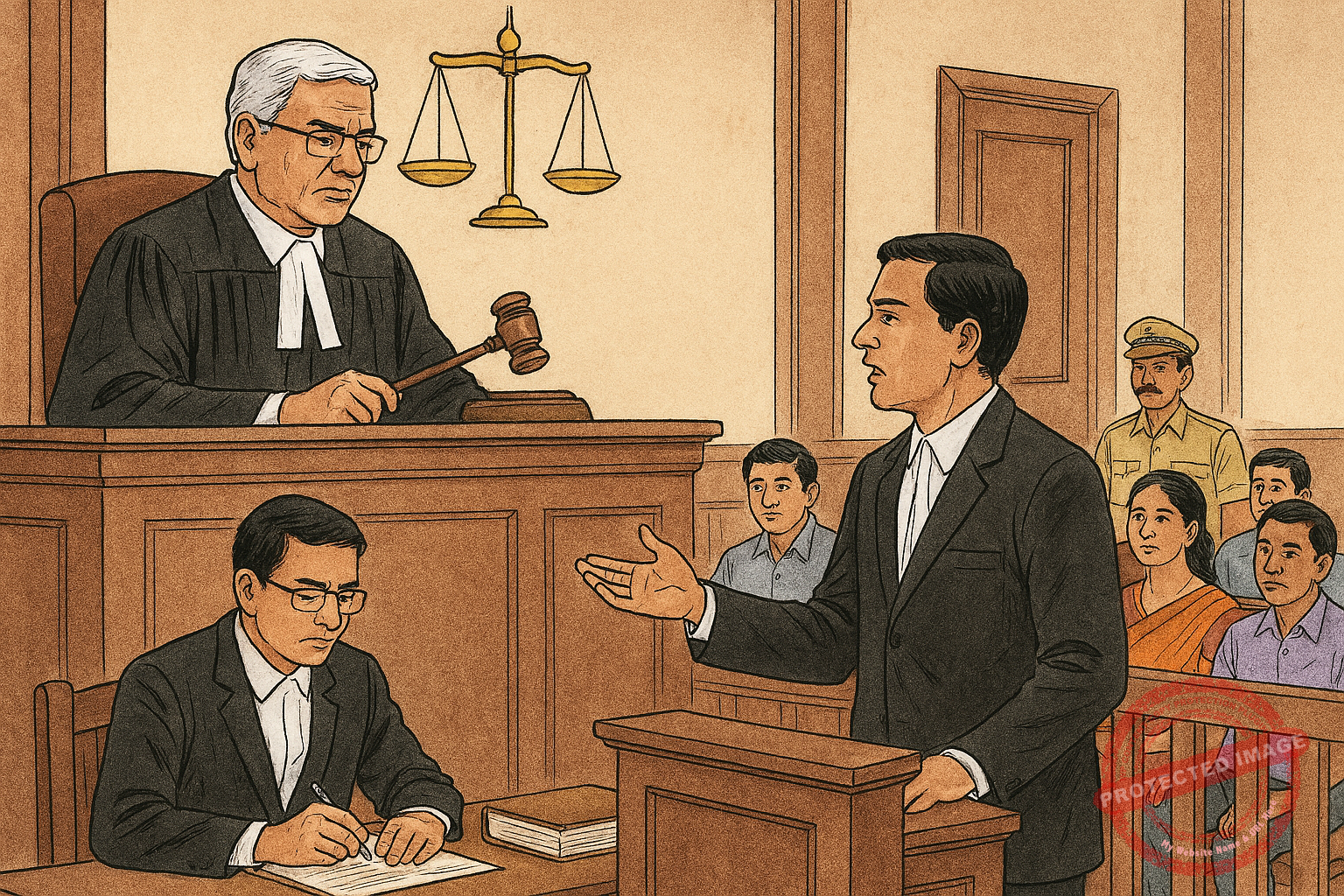
Students of Class 8 are now set to explore why court cases drag on for years, how public trust shapes the justice system, and what happens when corruption worms its way into judicial processes. These themes appear prominently in the latest NCERT Social Science book, which openly lists corruption, an overwhelming backlog of cases, and a shortage of judges as key challenges confronting India’s judiciary.
The revamped chapter—aptly titled “The Role of the Judiciary in Our Society”—is part of the newly released Class VIII textbook from the National Council of Educational Research and Training. Earlier versions largely stuck to describing how courts are structured, the idea of judicial independence, and the importance of access to justice. But the updated edition takes a bolder, more transparent approach, weaving in a detailed look at real-world problems the judiciary grapples with.
In one section, the book notes frankly that corruption does occur at various levels of the judicial system, and that for people already on the margins, such malpractice makes justice feel even more distant. It also points out that both the Union and State governments are trying to strengthen trust—bringing in more technology, promoting transparency, and acting swiftly whenever misconduct surfaces.
To show students the scale of challenge, textbook lays out startling numbers:
- 81,000 cases pending in the Supreme Court
- 62.4 lakh cases stuck in High Courts
- A staggering 4.7 crore cases awaiting resolution in district and subordinate courts
The delays, it explains, arise from a mix of issues—too few judges, complex legal procedures, and inadequate infrastructure.
Interestingly, the chapter introduces students to the code of conduct that judges must follow, not just in courtrooms but outside them as well. It also describes internal systems for accountability, such as how complaints against judicial behaviour can be filed through CPGRAMS. Over 1,600 such complaints were registered between 2017 and 2021.
The book even quotes former Chief Justice of India BR Gavai, who remarked in July 2025 that corruption or misconduct among judges inevitably dents public faith. But he emphasised that transparency, swift action, and accountability are essential for rebuilding trust—values that the chapter underlines as vital in any democracy.
This updated textbook is part of NCERT’s ongoing effort to realign school education with the National Education Policy 2020 and the National Curriculum Framework, as revised books for Classes I to VIII continue to roll out.